
Inpatient drug abuse treatment is one of the most structured and supportive ways to overcome substance use disorders. For many individuals and families, understanding how this type of care works can feel overwhelming.
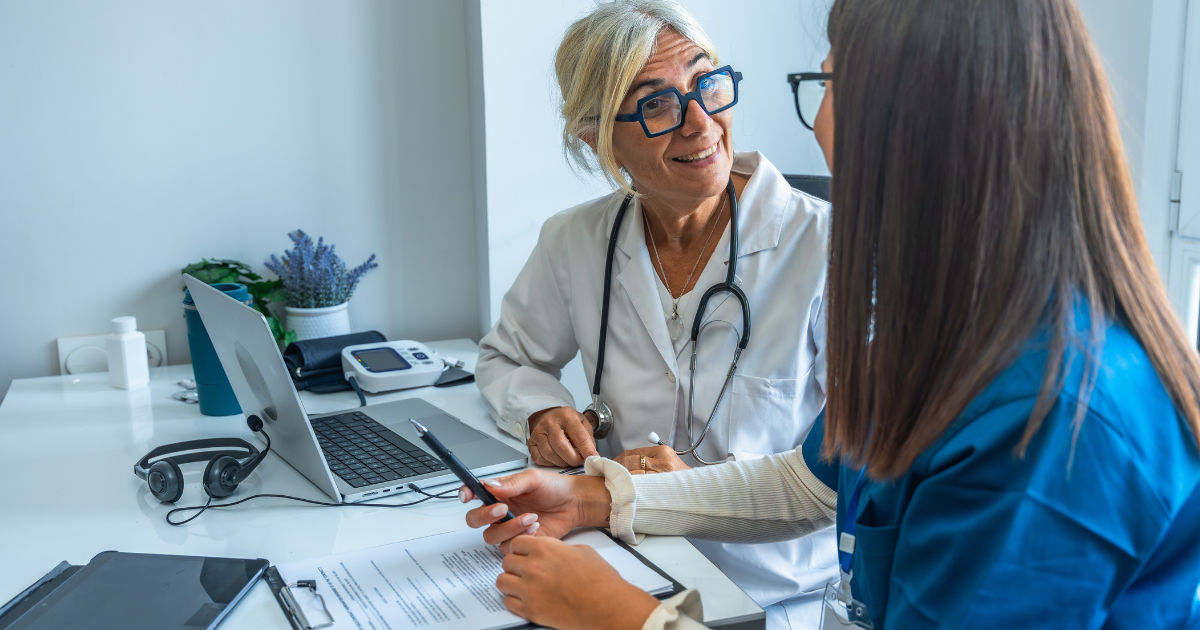
This guide explains the basics of inpatient care in clear and simple terms, with a special focus on how northridge drug abuse treatment fits into the recovery journey.
By learning what to expect, people can make informed decisions and feel more confident about seeking help through northridge drug abuse treatment.
Understanding Inpatient Drug Abuse Treatment
Inpatient drug abuse treatment is a form of care where a person lives at a treatment facility for a set period of time. During this stay, they receive round-the-clock medical and emotional support. This environment removes them from daily triggers and provides a safe space to focus fully on recovery. Many people choose northridge drug abuse treatment because it offers structure, supervision, and a clear path toward healing.
Inpatient care is often recommended for individuals with severe addictions or those who have tried outpatient treatment without success. Programs like northridge drug abuse treatment are designed to address both physical dependence and underlying emotional issues. The goal is not only to stop substance use but also to build healthy coping skills for long-term sobriety.
Why Inpatient Treatment Is Important
Substance abuse affects the brain and body in powerful ways. Quitting without support can be dangerous and ineffective. Inpatient treatment provides medical monitoring, therapy, and peer support all in one place. With northridge drug abuse treatment, patients are surrounded by professionals who understand addiction and know how to manage withdrawal symptoms safely.
Another key benefit is consistency. Inpatient programs follow a daily schedule that includes therapy sessions, educational activities, and personal reflection time. This routine helps patients regain stability and learn discipline. Many people find that northridge drug abuse treatment gives them the structure they need to rebuild their lives.
Who Should Consider Inpatient Treatment
Not everyone needs inpatient care, but it can be life-changing for certain individuals. People with long-term addiction, multiple relapses, or co-occurring mental health disorders often benefit the most. In these cases, northridge drug abuse treatment offers intensive support that is hard to find elsewhere.
Those who lack a stable home environment or face constant exposure to substances may also need inpatient care. By staying in a controlled setting, patients can focus on healing without distractions. Northridge drug abuse treatment helps create a fresh start away from harmful influences.
The Intake and Assessment Process
The first step in inpatient treatment is intake and assessment. This process gathers information about a patient’s substance use history, physical health, and mental well-being. At northridge drug abuse treatment, trained staff use this information to create a personalized treatment plan.
Assessments often include medical exams, psychological evaluations, and interviews. These steps ensure that care is safe and effective. By understanding each person’s unique needs, northridge drug abuse treatment can tailor therapies and support services to maximize success.
Medical Detoxification in Inpatient Care
Detoxification, or detox, is often the first phase of inpatient treatment. During detox, the body clears substances while managing withdrawal symptoms. This stage can be uncomfortable and sometimes risky without medical supervision. Northridge drug abuse treatment provides 24/7 medical care to ensure safety and comfort during detox.
Withdrawal symptoms vary depending on the substance used. They can include nausea, anxiety, tremors, or severe cravings. In inpatient settings like northridge drug abuse treatment, medications may be used to ease symptoms and reduce risks. This medical support helps patients move into the next phase of recovery more smoothly.
Therapy and Counseling Approaches
Therapy is the heart of inpatient drug abuse treatment. Patients participate in individual, group, and sometimes family therapy sessions. These therapies help uncover the reasons behind substance use and teach healthier ways to cope. Northridge drug abuse treatment often uses evidence-based approaches like cognitive behavioral therapy and motivational interviewing.
Individual therapy allows patients to explore personal challenges in a private setting. Group therapy builds connection and reduces feelings of isolation. Through shared experiences, patients in northridge drug abuse treatment learn that they are not alone in their struggles.
Addressing Co-Occurring Mental Health Disorders
Many people with substance use disorders also face mental health conditions such as depression or anxiety. Treating addiction without addressing these issues can lead to relapse. Inpatient programs like northridge drug abuse treatment focus on dual diagnosis care.
This approach treats both addiction and mental health at the same time. Patients receive therapy and, if needed, medication management. By addressing the whole person, northridge drug abuse treatment supports deeper and more lasting recovery.
Daily Life in an Inpatient Program
A typical day in inpatient treatment follows a structured schedule. Mornings may begin with check-ins or mindfulness activities. Therapy sessions, educational workshops, and group meetings fill much of the day. At northridge drug abuse treatment, this routine helps patients develop healthy habits.
Evenings often include reflection time or peer support meetings. While days are busy, there is also time for rest and self-care. This balance is an important part of northridge drug abuse treatment, as recovery requires both effort and compassion.
Education and Skill Building
Education is a key part of inpatient treatment. Patients learn about addiction, relapse prevention, and coping strategies. Understanding how substance abuse affects the brain empowers individuals to make better choices. Northridge drug abuse treatment emphasizes education as a tool for long-term success.
Skill-building sessions teach stress management, communication, and problem-solving. These skills are essential for life after treatment. By practicing them in a safe setting, patients in northridge drug abuse treatment gain confidence in their ability to stay sober.
Family Involvement and Support
Addiction affects families as well as individuals. Many inpatient programs encourage family involvement through therapy sessions or educational workshops. Northridge drug abuse treatment recognizes that healing relationships can strengthen recovery.
Family therapy helps improve communication and rebuild trust. Loved ones learn how to support recovery without enabling substance use. This collaborative approach makes northridge drug abuse treatment more effective and sustainable.
Length of Stay in Inpatient Treatment
The length of inpatient treatment varies based on individual needs. Some programs last a few weeks, while others may extend to several months. Northridge drug abuse treatment offers flexible options to match different recovery goals.
Longer stays often provide more time to address deep-rooted issues and practice new skills. Shorter stays may focus on stabilization and planning for continued care. Regardless of length, northridge drug abuse treatment aims to prepare patients for life beyond the facility.
Preparing for Life After Inpatient Care
Discharge planning is an important part of inpatient treatment. Before leaving, patients work with counselors to create an aftercare plan. This plan may include outpatient therapy, support groups, or sober living arrangements. Northridge drug abuse treatment places strong emphasis on this transition.
Aftercare helps maintain progress and reduce relapse risk. By staying connected to support services, individuals continue building on what they learned in northridge drug abuse treatment. Recovery is an ongoing process, and planning ahead makes a big difference.
Benefits of Choosing Inpatient Treatment
Inpatient treatment offers many benefits, including intensive care, a supportive environment, and comprehensive services. Patients receive constant supervision and access to professionals who understand addiction. Northridge drug abuse treatment combines these elements to create a strong foundation for recovery.
Another benefit is peer support. Living with others who share similar challenges builds empathy and motivation. Many people form lasting connections during northridge drug abuse treatment, which can provide encouragement long after treatment ends.
Challenges and How They Are Addressed
Inpatient treatment can be challenging. Being away from home and facing difficult emotions is not easy. However, programs like northridge drug abuse treatment are designed to support patients through these challenges.
Counselors help patients work through fear, resistance, and doubt. The structured environment reduces distractions and promotes focus. By addressing challenges head-on, northridge drug abuse treatment helps individuals grow stronger in their recovery.
Choosing the Right Inpatient Program
Selecting the right program is a personal decision. Factors to consider include treatment approaches, staff qualifications, and support services. Northridge drug abuse treatment stands out for its comprehensive care and patient-centered focus.
It is also important to consider location, length of stay, and cost. Asking questions and gathering information can help families choose the best option. For many, northridge drug abuse treatment offers the balance of care and support they need.
The Role of Hope in Recovery
Hope is a powerful part of recovery. Inpatient treatment helps individuals rediscover hope by showing them that change is possible. Through small daily successes, patients regain confidence. Northridge drug abuse treatment nurtures hope by celebrating progress and encouraging perseverance.
Recovery is not a straight line, but with the right support, it is achievable. Inpatient care provides the tools and guidance needed to move forward. Northridge drug abuse treatment reminds individuals that they are more than their addiction.
Conclusion:
Inpatient drug abuse treatment offers a structured, supportive, and effective path toward recovery. By providing medical care, therapy, education, and community, it addresses addiction from every angle. Programs like northridge drug abuse treatment help individuals break free from substance abuse and build healthier lives.
Understanding the basics of inpatient care empowers people to take the first step toward healing. While the journey may be challenging, the rewards of sobriety and stability are worth the effort. With commitment, support, and the comprehensive approach of northridge drug abuse treatment, lasting recovery is within reach.