
Removing tree stumps from your yard or property can be one of the most challenging tasks for homeowners or landscapers. While tree removal may seem straightforward, the leftover stump often becomes a nuisance, creating obstacles, attracting pests, and affecting the aesthetics of your outdoor space. This is where stump grinding machines come into play.
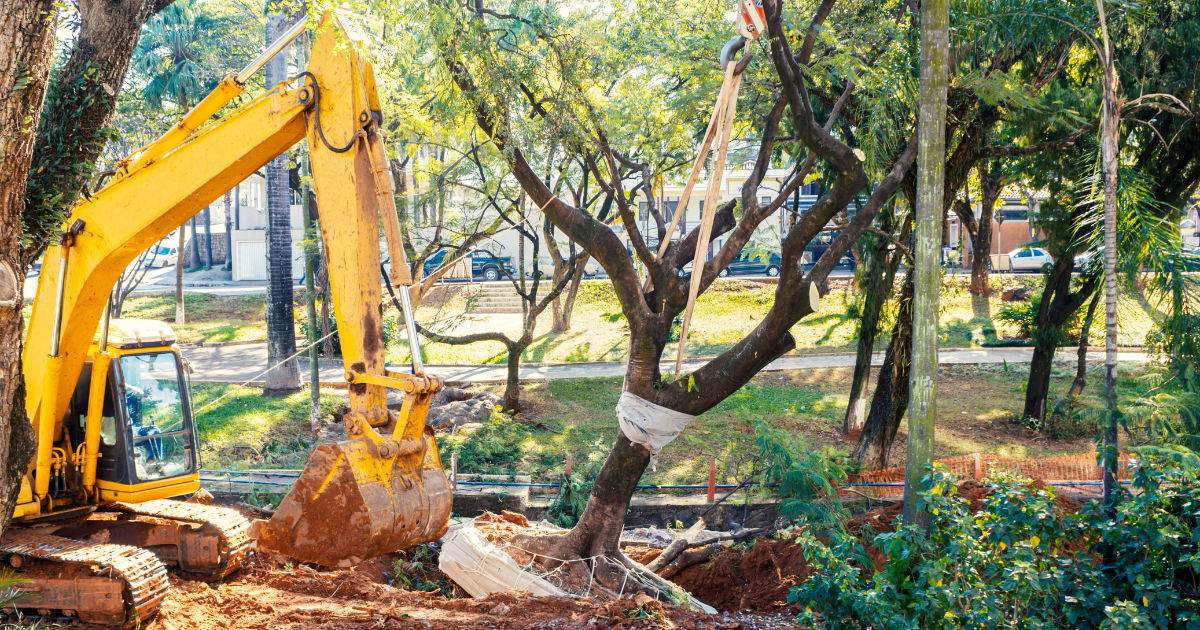
If you are considering professional tree services or DIY landscaping, understanding how these machines work and what they do is essential. For residents or businesses in Australia, services like tree pruning Canberra often incorporate stump grinding as part of their comprehensive tree management solutions.
In this guide, we will explore everything about stump grinding machines — their mechanics, applications, safety measures, maintenance, and tips for efficient use. By the end of this article, you will have a thorough understanding of stump grinding and how it can improve your landscape management.
What Is a Stump Grinding Machine?
A stump grinding machine is a specialized piece of equipment designed to remove tree stumps from the ground efficiently. Unlike manual removal, which requires digging and chopping, stump grinders use mechanical power to grind stumps into small wood chips.
These machines vary in size and power, from compact models suitable for small residential yards to heavy-duty commercial machines used in forestry or large urban projects. Regardless of size, all stump grinders function on the same principle: using a rotating cutting wheel equipped with sharp teeth to chip away the stump and roots.
The Main Components of a Stump Grinder
Understanding the components of a stump grinding machine helps explain how they work. Here are the primary parts:
-
Cutting Wheel: This is the heart of the machine. The cutting wheel rotates at high speeds and is fitted with sharp teeth made of tungsten or carbide steel. These teeth chip away the wood efficiently.
-
Engine: Most stump grinders run on gasoline or diesel engines, although smaller units may use electric motors. The engine provides power to rotate the cutting wheel and, in some models, to move the machine.
-
Hydraulic System: Larger stump grinders use hydraulics to control the cutting wheel’s movement and adjust the machine’s height and angle for better efficiency.
-
Frame and Wheels/Tracks: The frame supports the machine, while wheels or tracks allow for mobility. Tracks are preferable for rough terrain or heavy stumps.
-
Control Panel: Operators control the machine’s functions using a joystick or control levers, adjusting speed, rotation, and wheel height.
How Stump Grinding Machines Work
The operation of a stump grinder may seem simple but involves a combination of mechanics, operator skill, and safety precautions. Here’s a step-by-step breakdown:
1. Preparation
Before using a stump grinder, the area around the stump must be cleared of rocks, debris, and other obstacles. Safety equipment, such as gloves, goggles, and ear protection, is essential. Operators also inspect the stump for nails, wires, or other metal objects that could damage the machine.
2. Positioning the Machine
The operator positions the stump grinder next to the stump, ensuring the cutting wheel is aligned with the top of the stump. For uneven ground, the machine may need adjustments to ensure stability.
3. Grinding the Stump
The cutting wheel is lowered onto the stump. The operator moves the wheel slowly from side to side while gradually lowering it deeper into the wood. The teeth chip away small pieces of wood with each pass.
-
For small stumps, one or two passes may suffice.
-
For larger stumps, the operator gradually removes layers until the stump is ground 6-12 inches below the soil surface.
4. Dealing With Roots
Many stumps have extensive root systems. The grinding machine can reach shallow roots, but very deep roots may require manual cutting or additional equipment.
5. Cleanup
After grinding, the area is covered with wood chips, which can be used as mulch or removed. The site may be leveled with soil for planting grass, trees, or other landscaping projects.
Types of Stump Grinders
Stump grinders come in several types, each suited for specific applications:
-
Handheld or Mini Stump Grinders: These are small, lightweight machines for residential use. They are portable and easy to maneuver but have less power, making them suitable for small stumps and limited spaces.
-
Self-Propelled Stump Grinders: These machines are mounted on wheels or tracks and offer more power. They are ideal for medium-sized stumps and commercial properties.
-
Tow-Behind Stump Grinders: Designed to be towed behind a vehicle or tractor, these grinders are perfect for large stumps on farms or open spaces.
-
Truck-Mounted Stump Grinders: These are heavy-duty machines mounted on trucks, used in urban tree removal services, including professional tree pruning Canberra operations.
Benefits of Using a Stump Grinding Machine
Stump grinding machines provide multiple advantages over manual stump removal:
-
Efficiency: Grinding a stump is faster than digging or cutting manually. A machine can remove a large stump in less than an hour.
-
Safety: Manual removal involves sharp tools and heavy lifting. Using a grinder minimizes physical strain and reduces the risk of injury.
-
Cost-Effective: While the initial investment in a machine may be high, it saves money in labor and reduces the need for chemical treatments to decay stumps.
-
Aesthetics: Grinding removes the stump completely, allowing for clean landscaping and preventing uneven terrain.
-
Pest Prevention: Stumps attract insects like termites and ants. Grinding eliminates these breeding grounds.
Applications of Stump Grinding
Stump grinding is useful in many scenarios:
-
Residential Landscaping: Homeowners use stump grinders to clear yards, prepare areas for gardens, or maintain lawns.
-
Commercial Tree Services: Companies offering tree pruning Canberra often include stump grinding as part of their services to provide a complete tree management solution.
-
Forestry and Agriculture: Removing stumps in forests or farms improves land usability and prevents equipment damage.
-
Road and Utility Work: Stump removal is critical in construction areas to ensure safety and prevent future damage to roads or pipelines.
Safety Tips for Operating a Stump Grinder
Safety is paramount when using a stump grinder:
-
Always wear protective gear, including gloves, goggles, ear protection, and steel-toe boots.
-
Check the area for hidden objects like nails or metal stakes.
-
Keep bystanders, pets, and children at a safe distance.
-
Never operate the grinder on steep slopes or unstable ground.
-
Follow the manufacturer’s instructions regarding machine limits, maintenance, and handling.
Stump Grinding vs. Stump Removal
Many people confuse stump grinding with stump removal. Here’s the distinction:
-
Stump Grinding: The machine grinds the stump below ground level, leaving wood chips behind. It is faster, less labor-intensive, and ideal for landscaping purposes.
-
Stump Removal: This involves excavating the entire stump and root system, often using a backhoe or manual digging. It is more laborious, time-consuming, and can disrupt surrounding soil.
Choosing between grinding and removal depends on your goals. If you want to plant a tree or install structures, full removal may be necessary. If your priority is clearing the stump efficiently and improving yard aesthetics, grinding is sufficient.
Maintenance and Care of Stump Grinders
Proper maintenance ensures the longevity and efficiency of stump grinders:
-
Sharpening Teeth: The cutting teeth should be regularly checked and sharpened to maintain effective cutting.
-
Engine Maintenance: Follow the engine manufacturer’s guidelines for oil changes, fuel type, and general upkeep.
-
Hydraulic System Check: Inspect hoses, fluid levels, and connections regularly.
-
Cleaning: Remove wood chips, dirt, and debris after each use to prevent clogging and corrosion.
-
Storage: Store the machine in a dry, sheltered area to avoid weather damage.
DIY Stump Grinding vs. Hiring Professionals
While some homeowners may consider renting a stump grinder for a DIY project, hiring professionals has clear advantages:
-
Experience: Professional operators have the skills to grind stumps efficiently and safely.
-
Equipment: Professionals use commercial-grade grinders that can handle larger stumps.
-
Time-Saving: Professionals complete the job faster, leaving you free to focus on other tasks.
-
Integrated Services: Companies offering tree pruning Canberra often provide stump grinding along with pruning, tree removal, and debris cleanup.
Tips for Choosing a Stump Grinding Service
If you decide to hire a professional, consider the following:
-
Check if the company is licensed and insured.
-
Ask about the type of grinder they use and the depth they can grind stumps.
-
Look for customer reviews and testimonials.
-
Compare pricing but avoid compromising on safety and quality.
-
Ensure they follow proper cleanup procedures after grinding.
Environmental Considerations
Stump grinding is environmentally friendly compared to chemical stump removal methods. Wood chips produced during grinding can be repurposed as mulch or compost, enriching your garden soil. Additionally, avoiding chemical treatments prevents harmful residues from entering the ecosystem.
Common Challenges in Stump Grinding
Despite its efficiency, stump grinding can present challenges:
-
Rocky Soil: Rocks can damage grinder teeth and reduce efficiency.
-
Large Stumps: Very old or large stumps may require multiple passes or professional-grade equipment.
-
Hidden Roots: Deep roots can extend beyond the stump, sometimes requiring additional work.
Understanding these challenges helps you plan the process and avoid delays or damage to the equipment.
Conclusion
Stump grinding machines are essential tools for homeowners, landscapers, and professional tree services. They provide an efficient, safe, and cost-effective method for removing stumps, improving both the safety and aesthetics of your property. From small residential yards to large commercial projects, stump grinders make it possible to manage tree stumps without extensive manual labor.
For residents in urban areas or those maintaining professional landscapes, services like tree pruning Canberra integrate stump grinding as a part of comprehensive tree care. Choosing the right machine, following safety protocols, and understanding the grinding process ensures successful stump removal and a cleaner, more usable outdoor space.
Whether you opt for a DIY approach or hire professionals, understanding how stump grinding machines work will help you make informed decisions for your landscape projects. Proper preparation, careful operation, and ongoing maintenance are key to maximizing the benefits of stump grinding, turning challenging tree stumps into opportunities for a healthier, safer, and more visually appealing environment.