
Experiencing a vineyard firsthand, learning about the nuances of wine, and enjoying a relaxed day in the countryside has become increasingly popular.
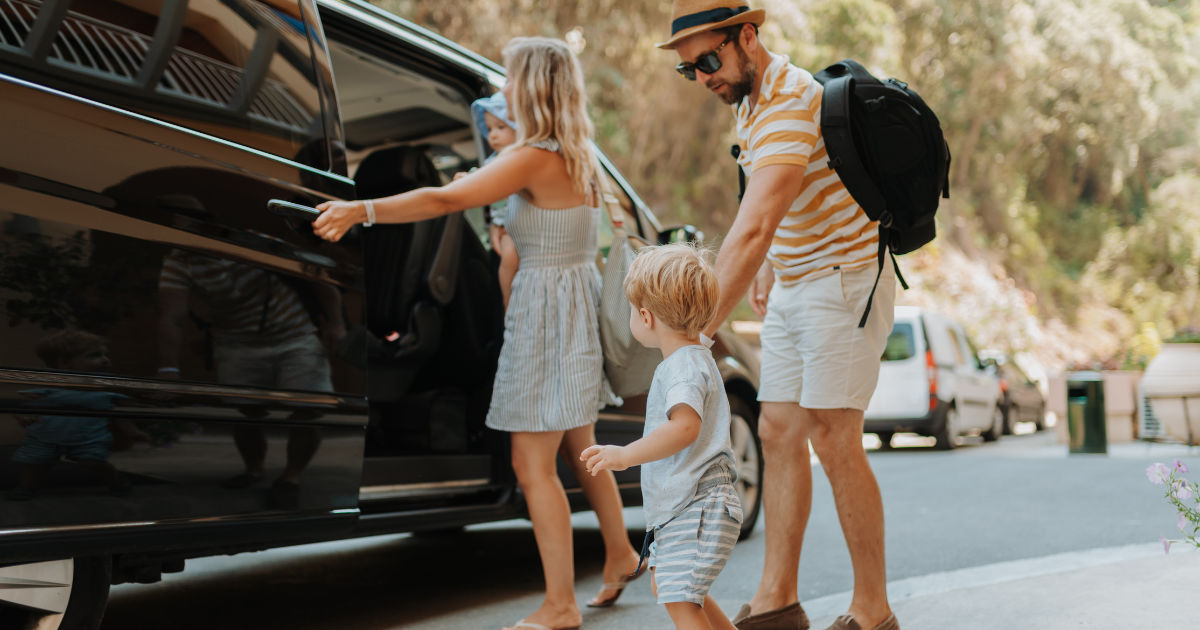
Among these experiences, Private Wine Tours stand out as the ultimate way to explore wine regions in comfort and style. Unlike general wine tours, these tours offer personalized attention, flexibility, and a tailored itinerary based on your preferences.
From choosing the right vineyards to understanding wine tasting etiquette, organizing a private wine tour is a carefully planned process that ensures a memorable and enjoyable journey.
In this comprehensive guide, we will explore how Private Wine Tours are organized, what to consider when planning one, and how they differ from traditional group wine tours.
By the end, you will understand every step involved in creating an exceptional private wine experience.
Private Wine Tours
What Are Private Wine Tours?
Private Wine Tours are exclusive experiences designed for individuals, couples, or small groups who prefer a customized wine tasting adventure. Unlike public tours, private tours offer a flexible schedule, personalized attention from guides, and often access to exclusive wineries.
The main advantage of private tours is control. You decide the pace, the vineyards to visit, the types of wines to sample, and even additional activities such as lunch, sightseeing, or vineyard walks. This level of customization makes private tours highly appealing for wine enthusiasts and travelers seeking a unique experience.
Who Organizes Private Wine Tours?
Private wine tours can be organized by specialized tour operators, luxury travel companies, hotels, or even directly by wineries. Experienced guides who understand the history, cultivation, and nuances of wine lead these tours. They ensure that your experience is educational, enjoyable, and tailored to your interests.
Some tour operators provide full packages that include transportation, meals, wine tasting fees, and even accommodation. This all-in-one approach ensures that travelers have a hassle-free experience.
Planning Your Private Wine Tour
Step 1: Choosing the Wine Region
The first step in organizing a private wine tour is selecting the wine region. Popular regions include Napa Valley in the USA, Bordeaux in France, Tuscany in Italy, and Barossa Valley in Australia. Each region has its unique characteristics, grape varieties, and wine styles.
When selecting a region, consider:
-
Type of Wine: Some regions are famous for reds, others for whites or sparkling wines.
-
Travel Convenience: Check accessibility from airports or city centers.
-
Season: Harvest seasons can provide a more immersive experience, but offseason tours can be quieter.
Step 2: Deciding on the Duration
Private Wine Tours can range from half-day excursions to multi-day experiences. The duration depends on:
-
Number of wineries to visit
-
Additional activities such as dining, hiking, or cultural visits
-
The pace you prefer
A half-day tour might allow visiting 2–3 wineries, while a full-day tour could cover 5–6 vineyards. Multi-day tours allow for deeper exploration of the region, including vineyard tours, wine workshops, and local attractions.
Step 3: Selecting the Wineries
Choosing the right wineries is crucial for a meaningful tour. Most private tour organizers have relationships with local vineyards and can recommend options based on your taste and interests.
Factors to consider:
-
Reputation and Quality: Research wineries known for exceptional wines.
-
Experience Offered: Some wineries provide in-depth tastings, vineyard walks, and blending workshops.
-
Accessibility: Some vineyards are in remote locations; transportation logistics should be considered.
Step 4: Transportation
One of the hallmarks of Private Wine Tours is comfortable transportation. Tour organizers often provide luxury vehicles, vans, or even classic cars for a stylish experience. Private drivers ensure safe travel between vineyards, allowing participants to enjoy wine tastings without worrying about driving.
Transportation options:
-
Luxury sedan or SUV for small groups
-
Van or minibus for larger groups
-
Chauffeur services with Wi-Fi, air conditioning, and refreshments
Step 5: Creating the Itinerary
An effective itinerary balances wine tasting with relaxation and exploration. Private tours allow flexible scheduling, which means you can:
-
Start the day at a winery with a guided tasting session
-
Enjoy a scenic vineyard lunch
-
Visit boutique wineries or cellar doors for exclusive tastings
-
Include cultural stops like local markets or historic towns
Guides usually provide an itinerary that optimizes travel time and ensures a smooth experience.
Components of a Private Wine Tour
Wine Tasting Experiences
Wine tasting is the heart of any tour. During Private Wine Tours, tastings are often personalized, allowing for explanations about grape varieties, aging techniques, and flavor profiles.
Tasting tips:
-
Use the proper glassware for each type of wine
-
Observe color, aroma, and taste
-
Ask questions to learn about the winemaking process
Some tours also include blending workshops where participants can create their own wine blends.
Food Pairing
Many private tours incorporate gourmet food experiences, pairing wines with local delicacies, cheeses, or charcuterie boards. These pairings enhance the tasting experience and provide insight into regional cuisine.
Vineyard Tours
Walking through vineyards allows participants to understand the grape-growing process, seasonal challenges, and sustainable practices. It is also an opportunity for photography and enjoying the scenic beauty of wine regions.
Educational Sessions
Some private tours include educational components, such as wine history lectures, winemaking demonstrations, or sessions with sommeliers. These sessions enhance appreciation for wine beyond tasting.
Customization Options
Private Wine Tours are highly customizable. Some common customizations include:
-
Theme-Based Tours: Focus on a specific type of wine, such as reds, whites, or sparkling wines
-
Special Events: Organize tours around festivals, harvest season, or exclusive tastings
-
Luxury Add-Ons: Include helicopter rides, private chefs, or luxury accommodation
-
Photography Tours: Capture vineyards, cellars, and scenic landscapes professionally
These customizations ensure that the tour reflects the preferences of the participants, creating a unique experience.
Booking and Costs
Booking Process
Booking a private wine tour usually involves:
-
Choosing the region and dates
-
Selecting the type of tour (half-day, full-day, or multi-day)
-
Discussing preferences such as wineries, wine types, and food options
-
Confirming transportation and additional services
Most tour operators offer online booking, with options for personalized consultation over email or phone.
Cost Considerations
The cost of Private Wine Tours varies based on factors such as:
-
Duration of the tour
-
Number of participants
-
Type of wineries visited
-
Transportation and luxury add-ons
A half-day tour might start at a few hundred dollars per person, while a multi-day luxury experience can cost thousands. Despite the higher cost compared to public tours, the personalized experience and flexibility make private tours worthwhile.
Tips for an Enjoyable Private Wine Tour
-
Plan Ahead: Book in advance, especially during peak seasons.
-
Communicate Preferences: Inform the tour operator about wine preferences and dietary restrictions.
-
Dress Comfortably: Vineyards often involve walking on uneven terrain.
-
Stay Hydrated: Alternate wine tasting with water to maintain balance.
-
Take Notes: Recording tasting experiences helps remember favorites.
-
Ask Questions: Guides are knowledgeable and can provide valuable insights about wine and vineyards.
Differences Between Private and Group Wine Tours
| Feature | Private Wine Tours | Group Wine Tours |
|---|---|---|
| Flexibility | High – customized schedule | Low – fixed itinerary |
| Group Size | Small (1–10) | Larger groups (20–50+) |
| Personal Attention | Personalized guide | Limited attention |
| Access to Wineries | Often exclusive | Usually standard access |
| Cost | Higher | Lower |
The main takeaway is that private tours provide a more intimate, flexible, and immersive experience, while group tours are budget-friendly and social.
Common Challenges in Organizing Private Wine Tours
While private wine tours are highly rewarding, organizing them can pose challenges:
-
Scheduling Conflicts: Wineries may have limited slots, requiring advance booking.
-
Travel Logistics: Coordinating transport between remote vineyards needs careful planning.
-
Dietary Restrictions: Pairing food and wine must account for special dietary needs.
-
Weather Conditions: Outdoor vineyard activities depend on favorable weather.
Experienced tour operators usually handle these challenges efficiently, ensuring a seamless experience for guests.
Conclusion
Organizing Private Wine Tours is a meticulous process that combines personalized planning, transportation, itinerary management, and wine expertise. From selecting the perfect wine region to crafting a customized itinerary, every step is designed to create a memorable and enriching experience. Private tours stand out for their flexibility, intimacy, and exclusive access, making them ideal for wine enthusiasts, couples, or small groups seeking a unique adventure.
By understanding the planning process, components, and tips for an enjoyable tour, travelers can fully appreciate the value of Private Wine Tours and embark on a journey that is both educational and indulgent. Whether exploring the rolling vineyards of Napa Valley or the historic estates of Bordeaux, a well-organized private wine tour offers an unparalleled opportunity to immerse oneself in the world of wine, culture, and luxury.
With careful planning, attention to detail, and the guidance of experienced professionals, anyone can enjoy a seamless private wine tour that leaves lasting memories and a deeper appreciation for fine wines.