
When homeowners think about a roof replacement, they often focus on color, style, cost, and durability. Those details matter, but timing matters too.
In Oklahoma, weather can change quickly. Strong winds, hailstorms, heavy rain, heat waves, and winter ice can all affect roofing schedules.
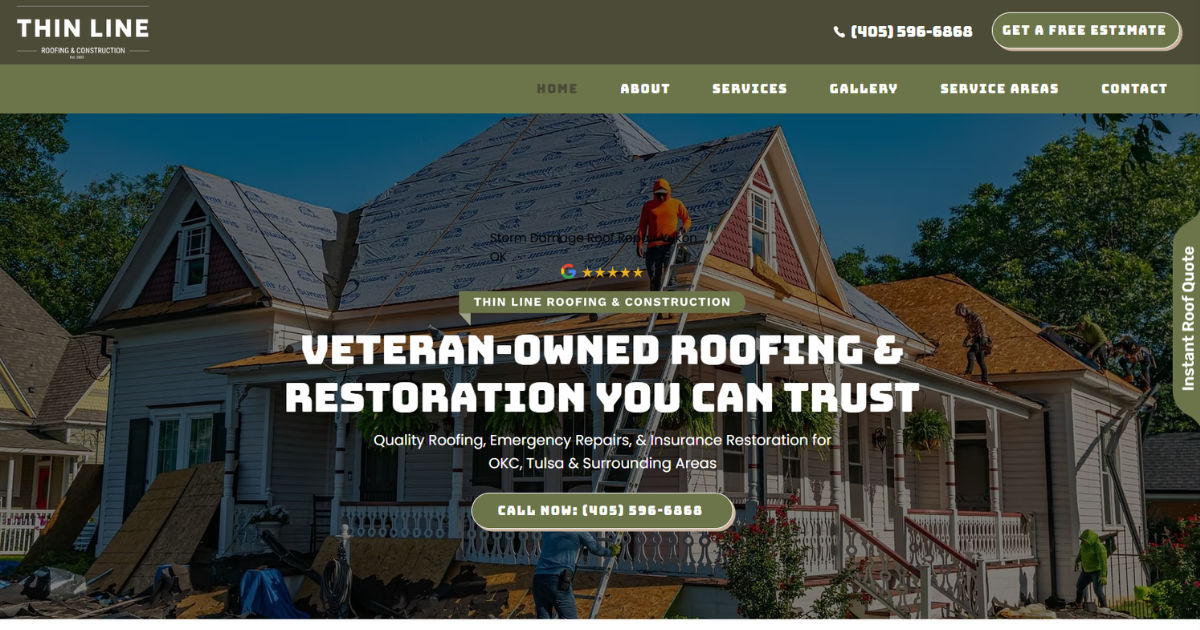 That is why a metal roofing company norman ok must do more than install panels and fasteners. It must plan carefully around the weather to protect homes, crews, and project timelines.
Metal roofing is one of the best choices for Oklahoma homes because it is strong, energy efficient, and long lasting. But even the best roofing system needs the right installation conditions. A smart contractor studies forecasts, prepares for sudden changes, uses the right materials for each season, and keeps customers informed from start to finish.
This guide explains how roofing professionals in Norman plan around weather, reduce delays, protect job sites, and deliver quality results in every season.
Why Weather Planning Matters for Roofing Projects
Roofing work happens outdoors, which means every project depends on conditions outside. Unlike indoor remodeling, a roof installation cannot be separated from the environment. Rain, wind, heat, and cold all affect materials and labor.
For a roofing company, poor weather planning can create problems such as:
- Delayed completion dates
- Safety risks for workers
- Water exposure during tear-off
- Material damage
- Installation errors
- Higher labor costs
- Customer frustration
Good planning helps avoid these issues. It allows crews to work efficiently while protecting the home and maintaining quality standards.
That is especially important in Norman, Oklahoma, where weather patterns can shift quickly.
Understanding Norman, Oklahoma Weather Challenges
Norman experiences all four seasons, and each one brings roofing challenges. A skilled contractor understands how each season affects scheduling and installation.
Spring Storm Season
Spring is known for severe weather in Oklahoma. Thunderstorms, hail, tornado warnings, and high winds are common. Roofing demand often rises after storm damage, but scheduling can become difficult because weather windows are short.
Contractors may need to:
- Inspect storm damage quickly
- Prioritize emergency repairs
- Monitor radar daily
- Reschedule installs due to rain or wind
Summer Heat
Summer can provide long daylight hours, but extreme heat creates new challenges. Roof surfaces become much hotter than air temperature. Metal panels can heat up quickly in direct sun.
Heat-related concerns include:
- Worker fatigue
- Risk of dehydration
- Hot surfaces causing burns
- Sealants curing too fast
- Reduced productivity during peak afternoon hours
Fall Opportunities
Fall is often one of the best seasons for roofing. Temperatures are moderate, and storm activity may slow down. Many homeowners schedule projects before winter begins.
Still, contractors must watch for:
- Sudden cold fronts
- Increased demand and full schedules
- Early rain systems
Winter Conditions
Winter in Norman can bring freezing rain, ice, snow, and cold temperatures. Even light moisture can create dangerous working conditions on a roof.
Winter concerns include:
- Slippery surfaces
- Delayed adhesive curing
- Frozen materials
- Shorter daylight hours
A professional roofing team plans differently for each season rather than using the same process year-round.
Daily Forecast Monitoring Is Essential
One of the most important tools for a roofing company is not a hammer or drill. It is the weather forecast.
A reliable metal roofing company norman ok checks weather reports constantly. This often includes:
- 10-day forecasts for upcoming projects
- Hourly forecasts for active jobs
- Wind speed reports
- Rain probability
- Heat advisories
- Storm radar tracking
Forecasts help determine:
- Start dates
- Crew size
- Material delivery timing
- Safe work hours
- Whether protective coverings are needed
Because forecasts can change, roofing managers often review conditions multiple times per day.
How Roofing Companies Schedule Around Rain
Rain is one of the biggest challenges in roofing. Once old roofing materials are removed, the structure below must stay dry. Even a short rain shower can create problems if the roof is exposed.
Choosing the Right Start Day
Professional contractors avoid starting large tear-offs when rain chances are high. They prefer a clear weather window that allows removal and dry-in work to happen safely.
Partial Tear-Off Strategy
Instead of removing the entire roof at once, crews may work in sections. This reduces exposure and allows faster coverage if weather changes.
Protective Tarp Systems
Roofers keep tarps, synthetic underlayment, and waterproof coverings on site. If weather shifts unexpectedly, they can protect open areas quickly.
Fast Dry-In Methods
The “dry-in” stage means creating a water-resistant barrier before final panels are installed. Skilled crews prioritize this step early in the project.
These methods help keep homes safe even during uncertain weather periods.
Wind Planning for Metal Roof Installation
Wind matters in every roofing job, but it is especially important for metal roofing because panels can be large and difficult to handle in gusty conditions.
Strong wind can:
- Make lifting panels unsafe
- Cause balance risks for workers
- Blow debris off the roof
- Affect alignment during installation
- Damage loose materials
Wind Safety Rules
Many contractors set maximum wind-speed limits for certain tasks. If gusts exceed safe levels, crews may pause work or shift to ground tasks.
Securing Materials
Panels, trim pieces, tools, and packaging are secured carefully. Unsecured items can become hazards during sudden gusts.
Early Morning Scheduling
Wind is sometimes calmer earlier in the day. Crews may begin sooner and finish major panel placement before afternoon gusts increase.
How Extreme Heat Changes the Workday
Oklahoma summers can be intense. Roofing companies adapt their schedules to protect workers and maintain productivity.
Earlier Start Times
Many crews begin early in the morning to take advantage of cooler temperatures.
Midday Breaks
During extreme heat, teams may take longer hydration breaks or reduce heavy tasks during peak afternoon heat.
Cooling and Hydration Plans
Professional companies provide:
- Water stations
- Shade breaks
- Cooling towels
- Heat illness awareness training
Material Handling Adjustments
Some sealants and components behave differently in heat. Installers store materials properly and apply them according to manufacturer guidelines.
Heat planning is not only about comfort. It is about safety and quality.
Cold Weather Roofing Strategies
Winter roofing is possible, but it requires adjustments.
Surface Safety Checks
Ice or frost can make roofs slippery. Crews inspect surfaces before stepping onto the roof.
Temperature-Sensitive Materials
Some sealants and underlayments need minimum temperatures for best performance. Contractors may use cold-weather approved products or warm materials before use.
Shorter Work Windows
With fewer daylight hours, winter jobs may be divided into smaller daily phases.
Emergency Repairs vs Full Replacement
If weather is severe, a contractor may recommend temporary repairs first and schedule full replacement when conditions improve.
This flexible approach helps homeowners stay protected without rushing unsafe work.
Storm Season Emergency Response Planning
In Norman, hail and windstorms can damage roofs quickly. After storms, homeowners often need fast inspections and temporary protection.
A prepared roofing company usually has an emergency response plan that includes:
- Rapid inspection teams
- Leak control services
- Temporary tarping
- Damage photo documentation
- Insurance claim support
- Priority scheduling for urgent cases
Because demand spikes after storms, planning resources in advance helps companies respond faster.
Material Delivery and Storage During Bad Weather
Roofing success depends on more than labor. Materials must arrive on time and stay protected.
Delivery Timing
Contractors often schedule deliveries close to installation day. This reduces the time materials sit exposed on site.
Protected Storage
Sensitive items such as sealants, underlayments, and accessories may be stored in covered areas or climate-controlled spaces.
Job Site Organization
A clean and organized site helps crews move quickly if weather changes suddenly.
Good logistics prevent delays and reduce waste.
Communication With Homeowners During Delays
Even the best weather planning cannot stop every delay. What matters is how the company communicates.
Homeowners appreciate clear updates such as:
- Why work is delayed
- How weather affects safety or quality
- New schedule expectations
- What protections are in place
- When crews will return
Professional communication builds trust. Most customers understand weather delays when they receive honest and timely updates.
Why Metal Roofing Works Well in Oklahoma Weather
Planning around weather is important, but so is choosing the right roofing material. Metal roofing offers several benefits for Oklahoma homes.
Strong Wind Resistance
Many metal systems are engineered to resist high winds when installed correctly.
Hail Performance
While hail can dent some materials, metal roofs often provide stronger impact resistance than many traditional systems.
Rain Shedding Design
Metal panels help water move off the roof efficiently when designed with proper slope and flashing.
Fire Resistance
Many metal roofs offer excellent fire resistance ratings.
Energy Efficiency
Reflective coatings can reduce heat absorption, helping homes stay cooler in summer.
Long Lifespan
A quality metal roof can last decades with proper installation and maintenance.
These benefits make metal roofing a practical option in a state known for weather extremes.
Crew Training Makes Weather Planning Better
Technology helps, but skilled people make the difference. Great roofing companies train their crews to recognize weather risks and adapt quickly.
Training may include:
- Ladder safety in wind
- Heat illness prevention
- Storm response procedures
- Proper tarp installation
- Cold-weather handling methods
- Material fastening standards
- Emergency communication steps
Well-trained crews make better decisions on site and protect both workers and customers.
The Role of Project Managers
Large roofing projects often depend on strong coordination. Project managers help connect weather data, customer expectations, labor schedules, and material delivery.
Their responsibilities may include:
- Monitoring forecasts
- Adjusting crew assignments
- Confirming inspections
- Managing timelines
- Updating customers
- Ordering materials
- Solving job-site issues quickly
This leadership keeps projects moving even when weather creates challenges.
How Technology Improves Roofing Weather Planning
Modern roofing companies use more than basic forecasts. Many now rely on digital tools.
Examples include:
- Weather radar apps
- Satellite imagery
- Scheduling software
- Drone inspections
- Digital measurement tools
- Customer text updates
- Photo documentation apps
These tools save time and improve accuracy. They also help homeowners stay informed.
What Homeowners Can Do to Help
Customers also play a role in smooth scheduling. Here are simple ways to help your roofing project succeed.
Book Early
Popular seasons fill quickly. Early scheduling gives more flexibility.
Respond Quickly
Approve estimates, colors, and paperwork promptly so materials can be ordered in time.
Clear Access Areas
Move vehicles, patio items, or outdoor furniture if requested.
Stay Flexible
Weather may require short-notice changes. Flexibility can help crews use the next clear day.
Ask Questions
Good contractors welcome questions about timing, materials, and weather protection.
Signs You Chose a Professional Roofing Company
Not every contractor plans well. Look for these signs of professionalism:
- Clear written estimates
- Realistic timelines
- Safety-first scheduling
- Weather delay explanations
- Proper licensing and insurance
- Good reviews
- Detailed inspections
- Clean job sites
- Strong communication
- Warranty support
A company that talks openly about weather planning usually understands the full roofing process.
Common Mistakes Poor Contractors Make
Knowing what to avoid is just as important.
Some contractors create problems by:
- Starting jobs before storms arrive
- Leaving roofs exposed overnight
- Ignoring high wind conditions
- Overbooking schedules
- Failing to communicate delays
- Using wrong products for temperature conditions
- Rushing installation to “finish fast”
These shortcuts can lead to leaks, damage, or early roof failure.
Seasonal Roofing Tips for Norman Homeowners
Spring
Schedule inspections after hail or wind events.
Summer
Consider reflective metal colors for energy savings.
Fall
Book replacement projects before winter demand rises.
Winter
Address leaks quickly before moisture causes interior damage.
Regular inspections and fast repairs reduce long-term costs in every season.
Long-Term Value of Smart Roofing Planning
When a company plans around weather correctly, the homeowner benefits in many ways:
- Better workmanship
- Fewer delays
- Lower risk of water damage
- Safer job site
- Less stress
- Better roof lifespan
- Stronger warranty confidence
Weather planning may not be visible after the project is complete, but it has a major impact on results.
Detailed Conclusion
Roofing in Oklahoma is about more than installing materials. It is about understanding the environment and working with it wisely. Rain, wind, hail, heat, and winter cold all create real challenges that can affect schedules, safety, and final quality. That is why weather planning is one of the most valuable services a contractor provides.
A trusted metal roofing company norman ok studies forecasts, prepares backup plans, protects exposed areas, adjusts work hours, trains crews, communicates clearly, and uses materials suited for local conditions. These steps may seem simple, but together they create smoother projects and stronger roofs.
For homeowners, this means peace of mind. You are not just hiring someone to place metal panels on your home. You are hiring a team that knows when to start, when to pause, how to protect your property, and how to deliver lasting results despite changing weather.
If you are considering a new roof, choose a company that respects both craftsmanship and climate. In a place like Norman, that combination matters more than ever.