
In today's professional world, how you present yourself can have a significant impact on your career. For women, choosing the right wardrobe is not just about style; it’s about projecting confidence, professionalism, and competence. Understanding the balance between fashion and workplace appropriateness is crucial.
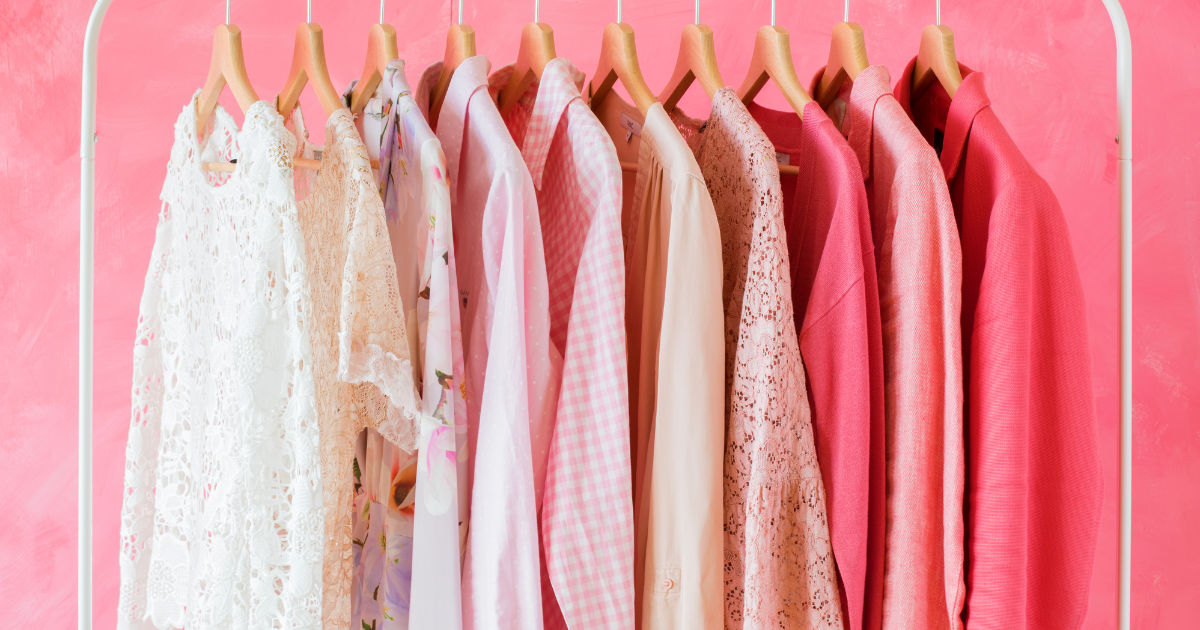
This comprehensive guide will explore everything you need to know about female cloths for the workplace, helping you make informed choices every day.
From classic staples to modern trends, we’ll cover it all, ensuring your wardrobe reflects professionalism without sacrificing comfort or personal style.
Understanding Workplace Dress Codes
Before diving into specific types of female cloths, it’s essential to understand the different workplace dress codes. Companies often have policies that range from formal to casual, and knowing where your office falls is the first step in choosing your wardrobe.
-
Formal Dress Code: Common in law firms, banks, and corporate offices. It requires suits, blouses, pencil skirts, and tailored trousers.
-
Business Casual: A mix of formal and casual clothing. Blazers with trousers, knee-length skirts, and smart tops are ideal.
-
Casual Workplace: More flexible, often found in creative industries. Women can wear stylish jeans, tops, and dresses, but professionalism should still be maintained.
Understanding the dress code will prevent fashion faux pas and ensure that your wardrobe aligns with your career goals.
Key Elements of Professional Female Wardrobe
The foundation of any professional wardrobe lies in a few essential pieces. These items can be mixed and matched to create countless outfits suitable for the office. Here are the key elements every professional woman should consider:
1. Tailored Blazers
A well-fitted blazer is a cornerstone of professional attire. It adds structure to any outfit and instantly elevates your appearance. Choose neutral colors such as black, navy, gray, or beige, which pair easily with other pieces in your wardrobe. Blazers can be worn over blouses, dresses, or even high-quality t-shirts for a more business casual look.
2. Professional Blouses and Shirts
Blouses are versatile female cloths that can be paired with skirts, trousers, or under a blazer. Opt for classic colors like white, cream, or pastel shades. Avoid overly flashy patterns or low-cut styles. Fabrics like cotton, silk, or polyester blends ensure comfort and longevity. Button-down shirts are another timeless option for professional settings.
3. Pencil Skirts and Tailored Trousers
A pencil skirt that fits well at the waist and falls just below the knee is an office staple. Tailored trousers in neutral colors are equally essential. They offer comfort without compromising style. Pairing skirts or trousers with a tucked-in blouse or a fitted blazer creates a polished, professional look.
4. Dresses
Professional dresses are another important category of female cloths. Choose dresses that are knee-length or slightly below, avoiding overly tight or short options. A-line or sheath dresses in solid colors or subtle prints are excellent choices. Layering with a blazer or cardigan adds sophistication.
5. Footwear
Shoes can make or break an outfit. Closed-toe shoes like pumps, flats, or low-heeled options are most suitable for the office. Stick to neutral tones like black, brown, beige, or navy. Avoid overly flashy designs or excessively high heels, as comfort is key for long workdays.
6. Accessories
Accessories should enhance your look without being distracting. Simple jewelry like stud earrings, thin bracelets, or a classic watch complements professional attire. Scarves and belts can add subtle personality, but avoid large, noisy, or extravagant items.
Choosing Fabrics and Colors
The right fabrics and colors play a crucial role in professional dressing. They affect both comfort and appearance.
-
Fabrics: Natural fabrics like cotton, wool, and silk breathe well and are durable. Blended fabrics with polyester or spandex offer stretch and shape retention.
-
Colors: Neutral tones like black, gray, navy, beige, and white form the core of a professional wardrobe. Subtle colors like pastels and muted shades are appropriate for blouses or accessories. Avoid overly bright or neon colors, which can appear unprofessional in formal settings.
Seasonal Adjustments
Professional wardrobes should adapt to seasonal changes to maintain comfort and style.
1. Summer
Lightweight fabrics like cotton and linen are ideal for summer. Short sleeves or sleeveless blouses paired with skirts or trousers keep you cool. Opt for open-toe shoes cautiously, depending on office norms.
2. Winter
Layering is key during winter. Blazers, cardigans, and tailored coats over blouses and dresses ensure warmth. Wool trousers or skirts are excellent choices. Closed-toe shoes or boots provide comfort and professionalism.
3. Transitional Seasons
Spring and autumn require versatile pieces. Light blazers, long-sleeve blouses, and knee-length skirts offer both comfort and adaptability. Scarves can add warmth and style without overwhelming the outfit.
Professional Yet Stylish: Balancing Fashion and Function
Many women worry that professional attire limits personal style. However, it’s possible to remain fashionable while adhering to workplace norms. Here are some tips:
-
Mix and Match: Combine neutral basics with colorful or patterned blouses for a pop of style.
-
Statement Accessories: Minimalist yet eye-catching accessories can enhance your outfit without compromising professionalism.
-
Fit and Tailoring: Well-fitted clothing always looks more stylish and professional than oversized or ill-fitting garments.
-
Subtle Prints: Polka dots, stripes, or floral prints in muted tones can add personality while remaining office-appropriate.
Common Mistakes to Avoid
To maintain a professional appearance, avoid these common mistakes when selecting female cloths for the workplace:
-
Wearing overly casual items like ripped jeans or sneakers in formal settings.
-
Choosing clothes that are too tight, revealing, or short.
-
Over-accessorizing with loud jewelry or bright handbags.
-
Ignoring grooming and neatness—wrinkled clothes or unkempt shoes undermine your professional image.
Dressing for Different Professional Settings
Workplace environments vary, and your attire should reflect this diversity.
1. Corporate Offices
In corporate offices, formal attire is expected. Opt for tailored suits, blazers, and pencil skirts. Keep accessories minimal, and stick to neutral colors. Shoes should be closed-toe pumps or flats.
2. Creative Industries
In creative fields like advertising, fashion, or media, you can experiment with bold prints, colors, and trends. Blazers can be paired with jeans, and stylish dresses are acceptable. However, professionalism should always be maintained.
3. Client-Facing Roles
If your job involves meeting clients, dressing professionally is critical. Stick to classic female cloths like suits, tailored dresses, and blouses. Neutral colors and polished accessories convey confidence and reliability.
Capsule Wardrobe for Working Women
A capsule wardrobe is a curated collection of versatile pieces that can be mixed and matched effortlessly. Here’s a suggested capsule wardrobe for professional women:
-
2-3 blazers in neutral colors
-
5-7 blouses/shirts in solids and subtle patterns
-
2-3 pencil skirts
-
2-3 pairs of tailored trousers
-
2-3 professional dresses
-
2-3 pairs of comfortable office shoes
-
Minimalist accessories (watch, earrings, scarf)
This approach simplifies dressing while ensuring you always look polished.
Grooming and Presentation
Professional attire is only part of the equation. Grooming and personal presentation significantly impact how your wardrobe is perceived.
-
Hair: Keep hairstyles neat and manageable. Avoid overly flashy colors or extreme styles.
-
Makeup: Subtle, natural makeup is appropriate for most workplaces. Avoid heavy or bright colors.
-
Nails: Maintain clean and trimmed nails. Neutral or soft shades are preferred.
-
Hygiene: Ensure clothing is clean, pressed, and free of odors.
Tips for Shopping Smart
Shopping for professional female cloths can be overwhelming. Here are some tips to make it easier:
-
Invest in Basics: Quality basics like blazers, trousers, and blouses last longer and can be styled in multiple ways.
-
Try Before You Buy: Fit is crucial. Ensure clothes flatter your body shape.
-
Focus on Versatility: Choose items that can be worn in multiple settings and paired with different pieces.
-
Budget Wisely: Quality doesn’t always mean expensive. Prioritize key staples while exploring affordable options for trendy pieces.
Adapting to Office Culture
Every workplace has its own culture. Observing colleagues and understanding unwritten norms can help you dress appropriately:
-
Notice how senior staff and peers dress.
-
Adjust wardrobe choices based on feedback or office expectations.
-
Avoid extreme fashion statements unless the culture encourages creativity.
The Role of Confidence
Clothing impacts not only how others perceive you but also how you feel. Wearing well-chosen professional female cloths boosts confidence, making you more assertive and effective at work. Confidence combined with the right attire can open doors to promotions, networking opportunities, and professional recognition.
Sustainable and Ethical Fashion Choices
Modern workplaces also encourage sustainability. Choosing eco-friendly or ethically made female cloths benefits the environment and reflects awareness:
-
Look for brands promoting fair labor practices.
-
Choose natural fabrics or recycled materials.
-
Invest in durable, timeless pieces rather than fast fashion.
Conclusion
Selecting the right female cloths for the workplace is more than a matter of aesthetics—it’s a strategic move in shaping your professional identity. By understanding dress codes, investing in versatile staples, and balancing style with appropriateness, women can present themselves with confidence, authority, and professionalism. From tailored blazers and blouses to pencil skirts and professional dresses, every choice contributes to how colleagues, clients, and managers perceive you. Pair this with good grooming, smart accessorizing, and an understanding of office culture, and you will not only look professional but also feel empowered. Remember, your wardrobe is a reflection of your dedication, attention to detail, and respect for your career. Dressing thoughtfully helps you make a lasting impression and navigate the professional world with elegance and poise.
Choosing professional female cloths is not about limiting personal style; it’s about enhancing it in a way that aligns with workplace expectations. By curating a thoughtful, versatile, and stylish wardrobe, women can thrive in any professional environment, demonstrating competence, confidence, and individuality simultaneously.