
Aluminum extrusion is a process that transforms aluminum alloy into a variety of useful profiles and custom shapes. Aluminum extrusion profiles have become increasingly popular in recent years due to their versatility, durability and cost-effectiveness. This guide will provide a comprehensive overview of aluminum extrusion profiles, their capabilities, applications, design considerations and more.
What is Aluminum Extrusion?
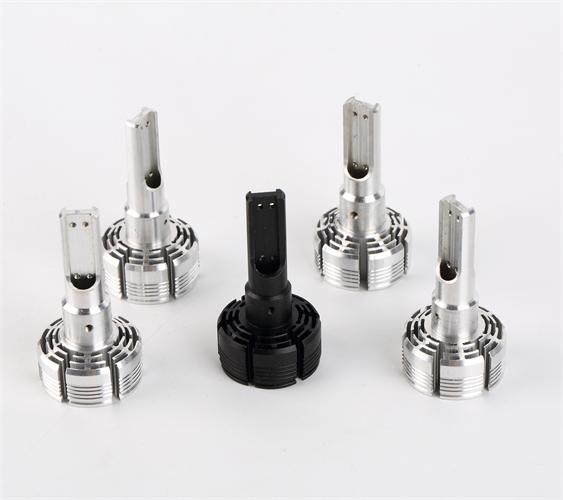
Aluminum extrusion is a manufacturing process where aluminum alloy is forced through a shaped die, acquiring the shape of the die's opening. Using hydraulic pressure, the alloy is pushed through the die, forming complex internal and external shapes not easily formed by other methods. The continuous extrusion process can produce CNC Machining Aluminum 6061-T6 Precision Parts of varying lengths and cross-sections.
Benefits of Aluminum Extrusion Profiles
There are many reasons aluminum extrusion profiles are a popular choice across industries:
- High strength-to-weight ratio
- Corrosion resistance
- Flexible and customizable shapes
- Consistent tolerances and quality
- Cost-effective for medium to high production runs
- Easy to cut, weld, finish and assemble
Aluminum Alloys for Extrusion
The most common aluminum alloys used for extrusion include:
- 6061 – General purpose alloy with good strength, formability and corrosion resistance
- 6063 – Excellent finish qualities and weather resistance, popular for architectural applications
- 7075 – Highest strength alloy, commonly used for structural parts and precision components
- 5005 – Good weldability and corrosion resistance, used for piping and hydraulic components
The alloy is selected based on the desired properties and performance requirements of the application.
Custom Aluminum Extrusion Design
One of the key advantages of aluminum extrusion profiles is the ability to create customized shapes. Some design considerations include:
- Profile shape – Hollow, solid, rectangular, round or unique shapes are possible
- Dimensions – Wall thickness, width, etc. must meet requirements
- Tolerances – Closer tolerances may increase cost
- Surface finish – Smooth or textured finishes are possible
- Alloy – Match alloy properties to part needs
- Strength – Design must withstand expected loads and stresses
Engineers will analyze the application to optimize the profile design. Design for manufacturability rules are followed to avoid extrusion defects.
Aluminum Extrusion Process
The aluminum extrusion process generally follows these steps:
- Alloy material is melted and transferred to a holding furnace
- The alloy is pushed by a ram through a precision steel die
- The desired profile emerges from the die
- The profile is air cooled and straightened
- The profile is cut to length
- Additional fabrication steps may occur
Modern aluminum extrusion uses advanced hydraulics and process control to consistently produce profiles within tight tolerances. The process is capable of creating complex shapes with fine details and thin walls.
Applications of Aluminum Extrusion Profiles
Some common applications of custom aluminum extrusion profiles include:
- Architecture – Windows, doors, railings, cladding
- Transportation – Truck bodies, RVs, trailers, rail parts
- Consumer goods – Furniture frames, sporting goods, appliances
- Machinery – Robots, process equipment, tooling fixtures
- Electronics – Heat sinks, enclosures, component housing
The lightweight, corrosion-resistant and strong nature of aluminum extrusion profiles make them suitable for a nearly endless range of uses across industries.
Secondary Fabrication of Aluminum Profiles
One benefit of aluminum extrusion profiles is that they can be further fabricated after initial production using processes like:
- Machining – Turning, milling, drilling
- Cutting – Sawing, shearing, waterjet cutting
- Bending – Formed into angles and channels
- Welding – Built into larger assemblies
- Surface finishing – Anodizing, powder coating, polishing
This allows the creation of complete custom parts and end products.
Key Considerations When Specifying Aluminum Profiles
When working with a custom aluminum extrusion supplier, some key considerations include:
- Providing complete design requirements and technical drawings
- Clearly defining tolerances needed
- Understanding minimum/maximum dimensions and capabilities
- Considering any secondary fabrication needs after extrusion
- Requesting material certifications if required
- Asking about quick turnaround options for prototypes
- Inquiring about finishing services like anodizing or powder coating
Sharing as much information as possible with your aluminum profile supplier will allow them to provide recommendations and optimal solutions.
Benefits of Custom Aluminum Extrusion Profiles
The versatility and customization possible with aluminum extrusion makes it an ideal manufacturing process for many applications. Companies can gain access to high-quality aluminum components without major in-house investments. The extrusion process is proven and consistent, yet flexible enough for unique product needs. Partnering with an experienced aluminum extrusion supplier allows access to the latest alloys, designs and innovations in aluminum profiles.